Use a Nonstick Pan
A good nonstick skillet makes stirring easier and prevents sticking.
Keep the Heat Low
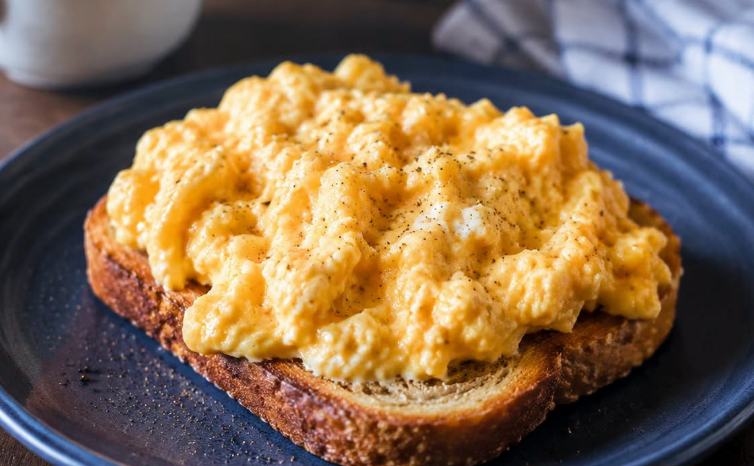
Slow cooking creates soft, creamy eggs. High heat creates tough eggs.
Do Not Overcook
Remove the eggs while they still look slightly moist.
Whisk Well
Adding air during whisking helps create a lighter texture.
Add Salt at the Right Time
Seasoning before cooking helps enhance the flavor.
Use Fresh Eggs
Fresh eggs usually provide better flavor and texture.
Delicious Scrambled Egg Variations
French-Style Scrambled Eggs
Cook the eggs over very low heat while stirring constantly for an ultra-creamy, almost custard-like texture.
Mediterranean Scrambled Eggs
Add:
- Feta cheese
- Tomatoes
- Oregano
- Fresh herbs
for a fresh Mediterranean flavor.
Cheesy Herb Scrambled Eggs
Mix in cheddar, mozzarella, chives, and parsley for a rich breakfast option.
Southwest Scrambled Eggs
Add:
- Jalapeños
- Cheddar cheese
- Cumin
- Salsa
for a spicy twist.
Vegetable Scrambled Eggs
Cook mushrooms, spinach, and peppers before adding the eggs for a nutritious version.
Storage and Reheating
Scrambled eggs are best enjoyed fresh, but leftovers can be stored.
Refrigerator
Place cooled eggs in an airtight container and store for up to 2 days.
Reheating
Warm gently in a pan over low heat or microwave briefly.
Avoid overheating because eggs can become dry and rubbery.
Frequently Asked Questions
Continue reading on the next page →